
Pass/fail inspection shows whether a part crossed a specification limit. It does not show whether the process center is drifting or whether combinations of in-tolerance parts create different preload and friction.
Batch consistency requires stable measurement, process trends, material and outside-process traceability, and a link between part characteristics and assembled performance.
Consistency risks and controls
| Risk | Cause | Control evidence |
|---|---|---|
| Conforming parts perform differently | Feature combinations and assembly conditions | Link measured parts to torque, temperature and noise |
| Operators obtain different results | Datum, support, environment or gauge variation | Standard method and measurement-system study |
| Dimensions drift through a batch | Tool wear, thermal state or fixture change | Trend charts, tool-life and machine-state records |
Look inside the tolerance band
Track the mean, spread and time order of truly functional characteristics. Two parts near opposite limits can both pass but create different stack results after assembly.
Trace material and special processes
Material heat, blank condition, heat-treatment load and coating batch can affect stability, hardness and friction. Keep certificates, batch identity, outside-process results and change notifications linked to each lot.
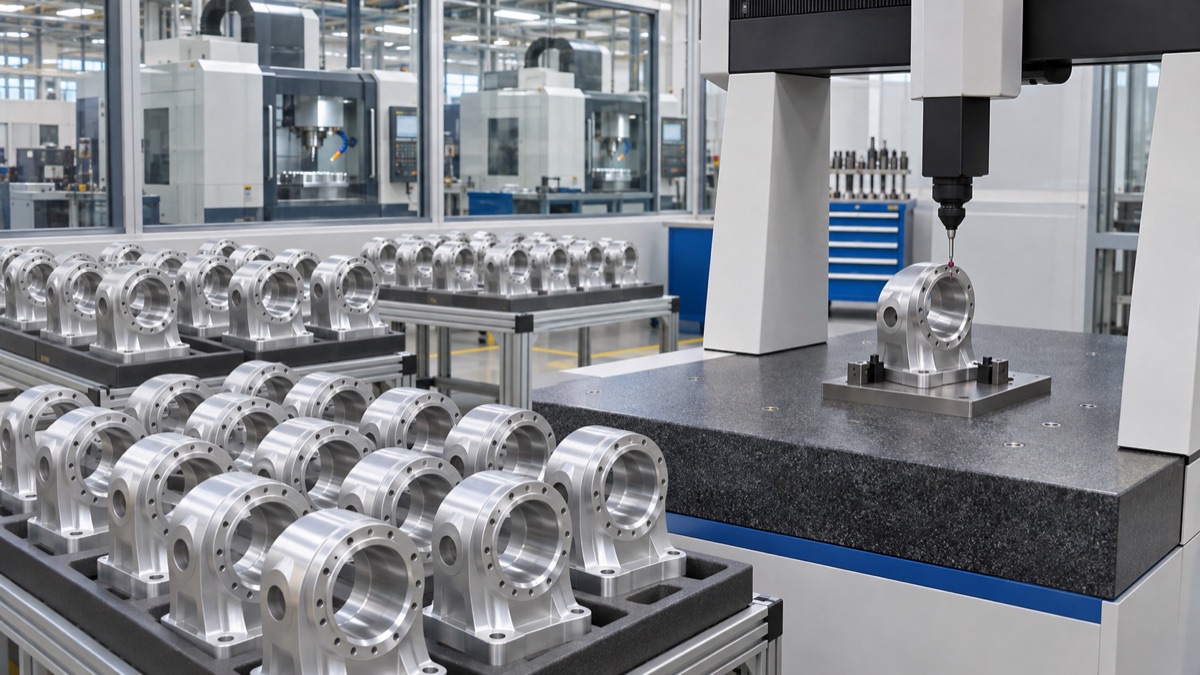
Trend data reveal center shift and increasing variation that pass/fail reports can hide.
Manage tools, machines and fixtures as variables
Tool wear and machine temperature often move gradually. Record tool changes, offsets, warm-up state, fixture cleaning and locating-element maintenance; react to trends before parts exceed limits.
Prove the measurement system
Standardize datum alignment, support, points, environment and reporting. Calibration alone is not enough; repeat checks or a suitable repeatability and reproducibility study must show the system can resolve process variation.
Connect SPC to assembly performance
Control limits describe process behavior; specification limits describe design acceptance. Monitor a focused set of key characteristics and correlate them with preload, torque, backlash, noise and temperature from joint tests.
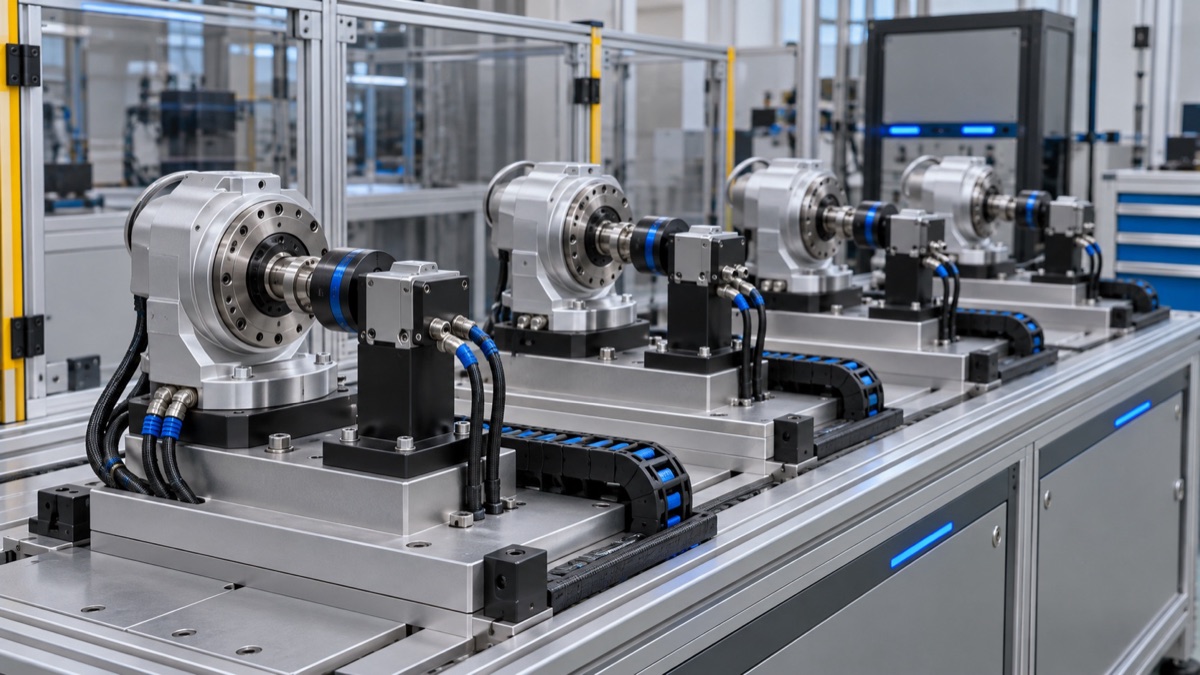
Linking part data to torque, temperature and noise helps identify functional drivers.
Summary
Batch consistency is created by controlled inputs, stable machining and measurement, trend monitoring and correlation with assembly performance. Full inspection alone cannot replace this process evidence.
FAQ
Will 100% dimensional inspection guarantee consistency?
No. It is limited by selected characteristics and measurement capability and does not control material, assembly or performance variation.
If a control chart is within specification, is the process healthy?
Not necessarily. A process may be unstable but temporarily in tolerance, or stable but centered where function is poor.
Is variable joint performance always caused by machined parts?
No. Also review cleaning, lubrication, tightening, sensors, assembly and test conditions.
Ready to get a quote for your CNC machined parts?
Submit your engineering drawings to qiancj@oemach.com. We support prototype sampling and small-batch production with strict tolerance control.